5 Natural Ways to Boost GLP-1 (and Supercharge Your Protocol)
Your gut produces a molecule that controls hunger, satiety, and fat metabolism. It is called GLP-1. It is the same molecule targeted by the metabolic peptides that are revolutionizing weight loss.
The problem? In many people, natural GLP-1 production is insufficient. Years of unbalanced eating, sedentary lifestyle, poor sleep, and chronic stress have silenced this signal. You know the result: constant hunger, food on your mind all the time, stalled metabolism.
Here is the news that changes everything: you can stimulate natural GLP-1 production with 5 concrete strategies. And when these strategies are combined with a peptide protocol — especially a third-generation one like TRIPLE-G (the triple agonist that acts on 3 receptors simultaneously: GLP-1, GIP, and Glucagon) — the results do not simply add up. They multiply.
What Is GLP-1 and Why Your Body Does Not Produce Enough
GLP-1 (Glucagon-Like Peptide-1) is a hormone produced by the L-cells of the small intestine. Every time you eat, these cells release GLP-1 into the bloodstream. It is one of the most powerful signals the body uses to tell the brain: “Enough, we are full.”
But GLP-1 does far more than signal satiety. Here is what it does:
- Slows gastric emptying — you feel full longer
- Stimulates insulin release — only when needed, in response to food
- Reduces post-meal glucagon — prevents blood sugar spikes that trigger reactive hunger
- Acts directly on the brain — in the areas controlling appetite, reward, and that constant voice telling you to open the fridge (Food Noise)
The problem is that natural GLP-1 has an extremely short lifespan. It is degraded by the enzyme DPP-4 in 2-3 minutes. Two minutes. The signal fires and shuts down almost immediately.
Why It Works Even Less in Some People
Not everyone produces the same amount of GLP-1. And not everyone’s signal reaches the brain with the same intensity. Several factors compromise it:
| Factor | Effect on GLP-1 |
|---|---|
| Diet low in protein and fiber | Less stimulation of L-cells |
| Chronic sedentary lifestyle | Reduced GLP-1 receptor sensitivity |
| Insufficient sleep (fewer than 6 hours) | Hormonal rhythm disruption, elevated cortisol |
| Chronic stress | Elevated cortisol interferes with satiety signals |
| Impoverished microbiome | Fibers fermented by gut bacteria stimulate GLP-1 — fewer beneficial bacteria, less stimulation |
| Prolonged excess weight | Resistance to satiety signals (including GLP-1) |
The result: your body produces GLP-1, but not enough. The signal is weak. The brain does not “hear” it. And you feel hungry even an hour after eating.
The good news: you can boost this signal. Naturally. Every day.
Strategy 1: Protein at Every Meal (and Before Carbs)
This is the strategy with the highest effort-to-result ratio. If you had to change just one thing, this would be it.
How Protein Stimulates GLP-1
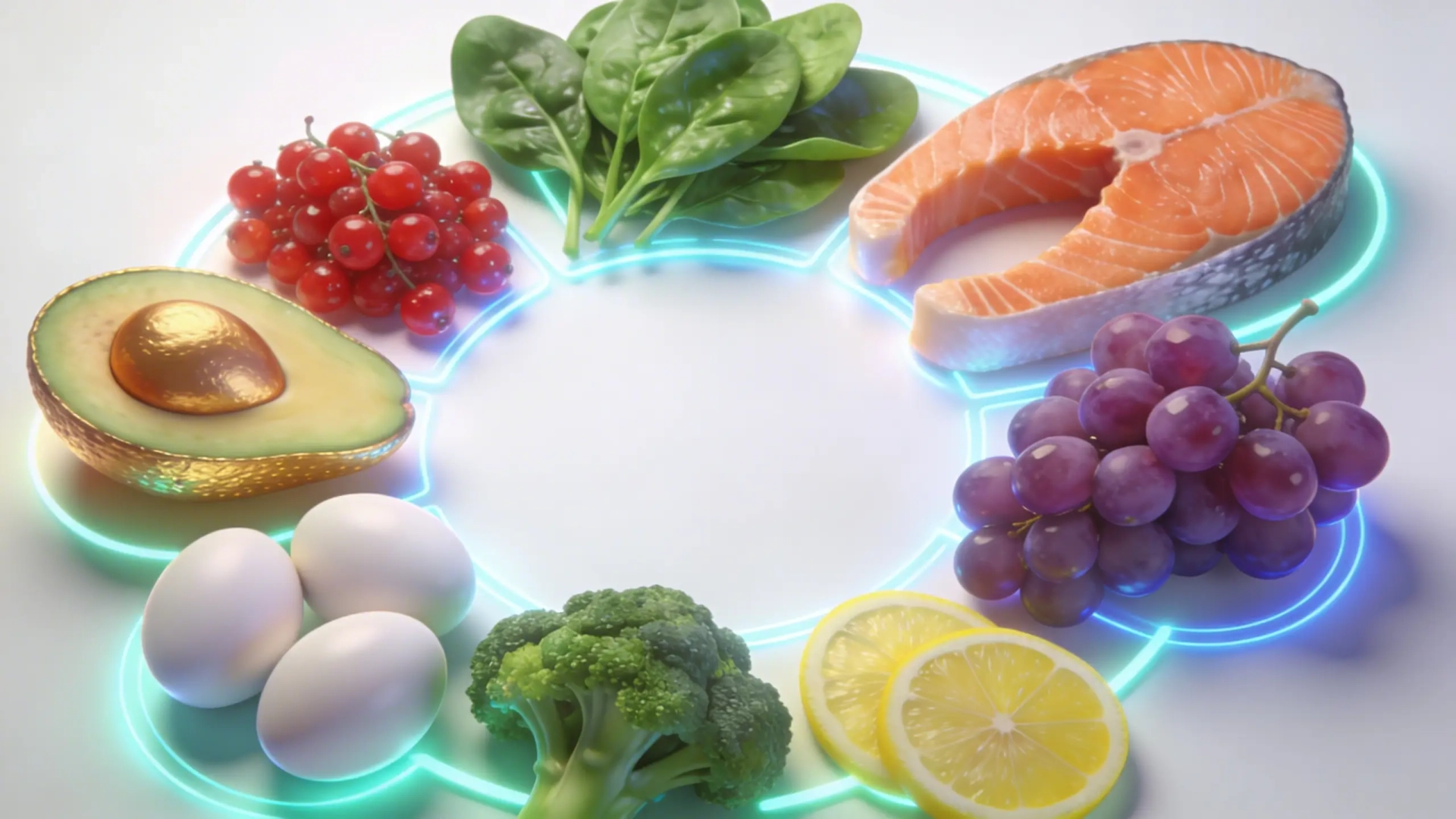
Protein is the most powerful natural stimulator of intestinal L-cells. When peptides derived from protein digestion reach the small intestine, L-cells release GLP-1 in significantly greater quantities compared to carbohydrates or fats.
A study published in The Journal of Clinical Endocrinology & Metabolism (Leidy et al., 2015) documented that a high-protein meal (35g) increases GLP-1 secretion by 25-30% compared to an equivalent low-protein meal.
But there is a detail that changes everything: the order in which you eat matters.
The Golden Rule: Protein Before Carbs
Eating protein before carbohydrates in the same meal improves GLP-1 response and reduces the post-meal blood sugar spike by up to 40%. Same meal, same calories — only the sequence changes.
The reason is mechanical: protein slows gastric emptying and reaches the intestine first, triggering GLP-1 release before carbohydrates are absorbed. By the time carbs arrive, GLP-1 is already active and insulin responds more efficiently.
Practical protocol: Start every meal with your protein portion (meat, fish, eggs, legumes). Eat vegetables second. Leave carbohydrates (pasta, bread, rice) for last. Same calories, same meal — radically different metabolic outcomes.
How Much and What
| Parameter | Target |
|---|---|
| Minimum amount | 1.2-1.5g per kg of body weight per day |
| Optimal target | 1.5-2.0g per kg (especially during weight loss) |
| Distribution | 30-40g per meal, 3-4 meals per day |
| Order | Always protein FIRST on the plate |
Practical sources with the best GLP-1/serving ratio:
- Poultry (chicken, turkey): ~30g protein per 100g — excellent GLP-1 stimulator
- Fish (salmon, tuna, cod): ~20-25g per 100g — with the bonus of anti-inflammatory omega-3s
- Eggs: ~6g per egg — complete, affordable, versatile. 2-3 eggs at breakfast change the trajectory of your day
- Legumes (lentils, chickpeas, beans): ~8g per 100g cooked — protein + fermentable fiber (double GLP-1 stimulus)
- Protein powder (whey isolate or plant blend): 24-30g per scoop — the lifeline when appetite is low
The body needs these building blocks. Not just for GLP-1 — for preserving muscle mass, for metabolism, for energy. Protein is the foundation on which everything else works.
Read more: Protein and GLP-1 Peptides: Why It Is Your Number One Ally
Strategy 2: Resistance Training (Not Exhausting Cardio)
Movement stimulates GLP-1. But not all movement does so equally.
Why Strength Beats Cardio
Resistance training — weights, bodyweight exercises, resistance bands — sends an anabolic signal to the body. A signal that says: “Build. Repair. Maintain muscle.” This signal is the opposite of the catabolic signal from chronic stress.
But there is more. A study published in Metabolism (Holst et al., 2019) showed that moderate-to-intense resistance exercise stimulates GLP-1 release significantly more than steady-state cardio. The mechanism works through muscle contraction, which activates the incretins — the family of gut hormones to which GLP-1 belongs.
Cardio is the best exercise for weight loss. The more you run, the more weight you lose.
Exhausting cardio (prolonged running, endless spinning) chronically elevates cortisol, promotes muscle catabolism, and reduces sensitivity to satiety signals. Resistance training stimulates GLP-1 significantly more and preserves muscle — the engine that burns fat even at rest.
The Minimum Effective Protocol
You do not need to become a bodybuilder. What you need is consistency, not extreme intensity.
| Parameter | Recommendation |
|---|---|
| Frequency | 3 sessions per week (minimum) |
| Duration | 40-60 minutes per session |
| Type | Free weights, machines, bodyweight, resistance bands |
| Intensity | Moderate-to-high (the last 2-3 reps should be challenging) |
| Focus | Compound movements: squats, deadlifts, bench press, rows, lunges |
It Works at Home Too
No gym? Not a problem. Bodyweight + resistance bands cover 90% of the necessary work:
- Bodyweight squats (3x15-20)
- Push-ups (3x max reps)
- Lunges (3x12 per leg)
- Band rows (3x15)
- Planks (3x30-60 seconds)
30 minutes, 3 times a week, in your living room. That is enough to send the right signal to your body: preserve muscle, stimulate GLP-1, keep your metabolism active. Muscle is not vanity. It is the engine that burns fat. Every kg of muscle maintained during weight loss is metabolism that works even while you sleep.
Strategy 3: Hydration + Electrolytes
This strategy is systematically underestimated. That is a mistake.
The Hidden Connection Between Water and GLP-1
Water is the medium in which every biochemical reaction in the body takes place. Including GLP-1 production and transport. Even mild dehydration (1-2% of body weight) reduces the efficiency of these processes.
But there is a critical point that very few people know: GLP-1 peptides reduce the perception of thirst.
It is not a flaw. It is an effect of the mechanism: GLP-1 acts on brain areas that regulate appetite and thirst, and when the satiety signal amplifies, the thirst signal also diminishes. The result? You drink less without realizing it.
If you are following a peptide protocol, this becomes crucial. Less food (because appetite has dropped) + less water (because thirst is muted) = double hydration deficit.
Warning: GLP-1 peptides reduce the perception of thirst. Do not wait until you feel thirsty to drink — if you feel thirsty, you are already dehydrated. Schedule hydration as a protocol, not as a response to thirst.
How Much to Drink
2.5-3 liters per day. Non-negotiable. And on training days or in hot weather, even more.
The trick is not to wait for thirst. If you wait for thirst, you are already dehydrated. You need a system:
- 1 large glass right after waking up (the body has gone 7-8 hours without water)
- 1 glass before every meal
- 1 one-liter bottle always on your desk or within sight
- 1 extra glass for every hour of training
Electrolytes: The Detail That Changes Everything
Drinking water without electrolytes when you are losing many is like pouring fuel into an engine without oil. Water passes through the body without being retained.
The key electrolytes:
| Electrolyte | Role | Natural Source | Supplementation |
|---|---|---|---|
| Sodium | Fluid retention, nerve function | Whole salt, olives, broth | 1000-2000mg/day |
| Potassium | Muscle function, blood pressure | Bananas, avocado, sweet potatoes | 200-400mg/day |
| Magnesium | 300+ enzymatic reactions, sleep, stress | Nuts, seeds, leafy greens | 400-600mg/day |
Practical solution: An electrolyte powder in your morning glass of water. Or: water + a pinch of whole salt + lemon juice. Simple, affordable, effective.
Read more: Supplements During the GLP-1 Protocol: Which Ones You Actually Need
Strategy 4: Natural GLP-1 Boosters
There are compounds found in foods and supplements that directly stimulate GLP-1 production by intestinal cells. When you combine them with the first 3 strategies, you are building an internal ecosystem that naturally produces more GLP-1.
Berberine
Berberine is an alkaloid extracted from several plants (Berberis vulgaris, Coptis chinensis). Researchers call it “natural metformin” — and the parallel is no coincidence.
A study published in Metabolism: Clinical and Experimental (Zhang et al., 2020) documented that berberine increases GLP-1 secretion by acting directly on intestinal L-cells and improving microbiome composition. The effect is dose-dependent.
Dosage: 500mg, 2-3 times a day, before meals. Note: Berberine can interact with some compounds. If you are taking other products, consult a professional.
Yerba Mate
Yerba mate contains polyphenolic compounds — chlorogenic acid and saponins — that stimulate GLP-1 release and improve insulin sensitivity. It is also a source of slow-release caffeine, without the spikes of espresso.
A study in Food & Function (Hussein et al., 2019) showed that regular consumption of yerba mate is associated with increased post-meal GLP-1 secretion and reduced fasting blood sugar.
How to take it: 1-2 cups per day, preferably in the morning or early afternoon. Traditional infusion or in tea bags.
Fermentable Fibers
The fibers your body cannot digest become the preferred food of beneficial gut bacteria. When these bacteria ferment the fibers, they produce short-chain fatty acids (SCFAs) — particularly butyrate and propionate. These molecules directly stimulate L-cells to produce more GLP-1.
It is a virtuous cycle: more fermentable fibers leads to a healthier microbiome, which leads to more SCFAs, which leads to more GLP-1, which leads to less hunger, which leads to better food choices.
The best sources:
| Fermentable Fiber | Source | Serving |
|---|---|---|
| Beta-glucans | Oats, barley | 40-60g of oat flakes |
| Inulin | Garlic, onion, Jerusalem artichoke, chicory | In everyday recipes |
| Pectin | Apples, pears, citrus fruits | 1-2 fruits per day |
| Resistant starch | Cooked and cooled potatoes, cooled rice | As a side dish (cooling transforms the starch) |
| PHGG (Sunfiber) | Powder supplement | 5-10g per day |
The oat trick: A porridge with 50g of oat flakes in the morning provides about 4g of beta-glucans. Add 2 eggs or a scoop of protein powder and you have the perfect meal for stimulating GLP-1: protein + fermentable fiber.
Apple Cider Vinegar
Apple cider vinegar (unfiltered, with the “mother”) contains acetic acid — a compound that slows gastric emptying and improves the post-meal GLP-1 response.
A study in the European Journal of Clinical Nutrition (Ostman et al., 2005) documented that 2 tablespoons of apple cider vinegar before a carb-rich meal reduce the blood sugar spike by 20-30% and prolong satiety.
How to use it: 1-2 tablespoons diluted in a glass of water, 15-20 minutes before the main meal. Never undiluted — the acid damages tooth enamel.
The Strategic Combination
None of these natural boosters, on its own, will revolutionize your results. But combined, they create a synergistic effect:
Daily natural booster protocol:
- Morning: Oat porridge with protein + yerba mate
- Before meals: Apple cider vinegar diluted in water
- With meals: Berberine (500mg)
- Throughout the day: Fermentable fibers from fruit, vegetables, legumes
This is a natural protocol that boosts endogenous GLP-1. On its own, it produces modest but real results. Combined with a third-generation peptide protocol like TRIPLE-G — which acts on the same receptors from outside — the effect is exponential.
Strategy 5: Sleep and Cortisol Management
The last strategy is the one no one wants to hear. And the one that makes the biggest difference over the long term.
Cortisol Is the Enemy of GLP-1
Cortisol — the stress hormone — is GLP-1’s direct antagonist in appetite regulation. When cortisol is elevated:
- Sensitivity to satiety signals (including GLP-1) decreases
- Food Noise amplifies
- The body enters “storage mode” — holding onto fat, especially visceral fat
- Muscle catabolism accelerates — you lose muscle, not fat
- Sleep quality worsens — which further raises cortisol (a vicious cycle)
Sleeping less does not affect weight loss if you eat well and exercise.
Sleep is the primary regulator of cortisol. Sleeping fewer than 6 hours raises cortisol by 37-45%. And that elevated cortisol destroys GLP-1 production the following day. It is not willpower — it is biochemistry.
A sleep-deprived brain has its prefrontal cortex (rational decisions) compromised and its amygdala (emotional impulses) hyperactivated. The result: worse food choices, larger portions, cravings for high-calorie foods.
The Sleep Protocol for GLP-1
| Action | Why | Priority |
|---|---|---|
| 7-8 actual hours | Cortisol normalizes, GLP-1 optimizes | Non-negotiable |
| Same time every day (+/-30 min) | Regulates circadian rhythm | High |
| Bedroom at 18-20 degrees C | Optimal temperature for deep sleep | High |
| No screens 1h before bed | Blue light blocks melatonin | Medium |
| Protein-rich dinner 2-3h before bed | Stabilizes overnight blood sugar | Medium |
| Magnesium bisglycinate in the evening | Muscle and nerve relaxation, improves sleep quality | Recommended |
Melatonin as Support
If your sleep-wake rhythm is disrupted (night shifts, frequent jet lag, years of irregular sleep), low-dose melatonin (0.5-1mg) 30 minutes before bed can help reset your circadian cycle. It is not a sleeping pill — it is a signal telling the body “it is time to sleep.”
Managing Cortisol During the Day
You cannot eliminate stress. But you can manage cortisol with targeted interventions:
- Nature walk (20-30 min): reduces cortisol by 12-16% in a single session. The strategy with the best effort-to-result ratio
- 4-7-8 breathing (5 min, 2x/day): inhale 4 seconds, hold 7, exhale 8. Activates the parasympathetic system
- Weight training: paradoxically, the acute stress of training reduces chronic stress. The body learns to manage cortisol better
- Limit avoidable sources: constant notifications, doom scrolling, people who drain your energy
Sleep is not a luxury. It is the environment in which the body repairs, rebalances, and optimizes every metabolic signal — GLP-1 included.
Alone vs Supercharged: The Real Difference
Here is the truth worth reading carefully.
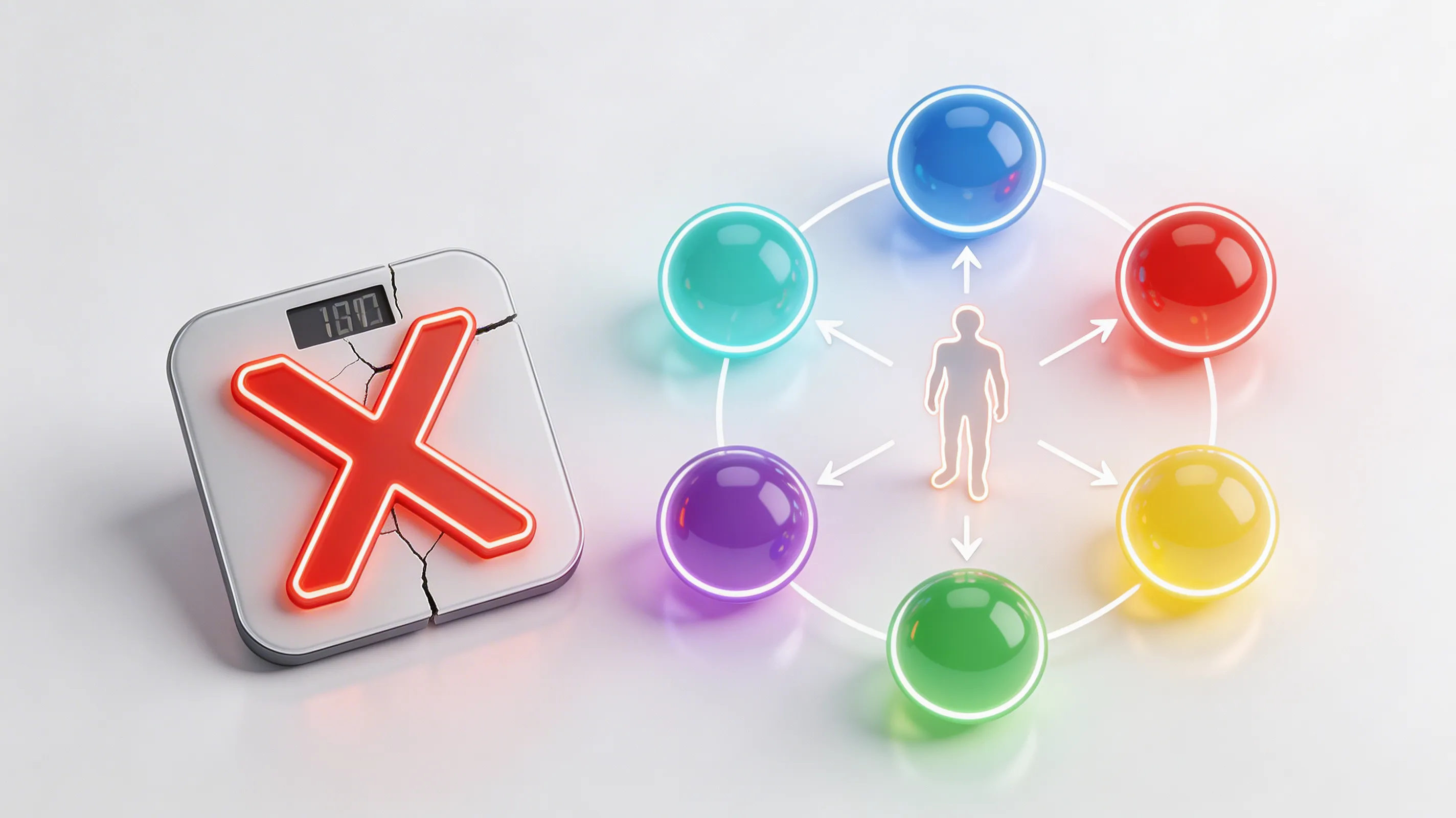
Each of these 5 strategies works on its own. Protein improves satiety. Resistance training preserves muscle. Hydration supports metabolism. Natural boosters increase endogenous GLP-1. Sleep normalizes cortisol.
But natural GLP-1 lasts only 2-3 minutes in the blood before being degraded. It is a weak, intermittent signal, easily overwhelmed by years of misaligned habits.
When these strategies are supercharged by a metabolic peptide protocol — especially third-generation ones like TRIPLE-G that act on 3 receptors simultaneously (GLP-1, GIP, and Glucagon) — something different happens.
The peptide provides a constant and powerful GLP-1 signal that is not degraded in 2 minutes. The 5 natural strategies amplify that signal:
- Protein boosts the satiety that the peptide has already activated
- Resistance training preserves muscle while the peptide mobilizes fat
- Hydration and electrolytes allow the body to manage the transformation without deficiencies
- Natural boosters add endogenous GLP-1 on top of exogenous GLP-1
- Optimal sleep maximizes the metabolic response to the entire protocol
The TRIUMPH-4 trial (Jastreboff et al., NEJM 2023) documented an average body weight reduction of -28.7% with retatrutide — the first triple agonist that activates all 3 metabolic switches. That impressive result becomes even more solid and lasting when the protocol is supported by an aligned lifestyle.
It is not about choosing between natural strategies and a peptide protocol. It is about combining them.
Action Plan — Start This Week
You do not have to implement everything tomorrow. Start with the highest-impact strategies and add gradually:
Weeks 1-2 (The Basics):
- Protein first at every meal — aim for 1.2g/kg as a minimum
- Hydration: 2.5 liters per day + electrolytes in the morning
- Sleep: same time every night, 7-8 hours
Weeks 3-4 (The Acceleration):
- Resistance training: 3 sessions per week, even at home
- Natural boosters: oats in the morning + apple cider vinegar before meals
Ongoing (The Optimization):
- Berberine + yerba mate
- Fermentable fibers at every meal
- 4-7-8 breathing for cortisol management
Every strategy you add supercharges the others. It is a system, not a to-do list.
Frequently Asked Questions
Can I boost GLP-1 with natural strategies alone, without a peptide protocol?
Yes. These 5 strategies increase endogenous GLP-1 production and improve receptor sensitivity. Results will be more modest and gradual compared to a peptide protocol, but real and measurable — especially protein, resistance training, and sleep. For those with 5-10 kg to lose, natural strategies alone may be sufficient. For those with a longer journey, combining them with a peptide protocol multiplies the results.
Does berberine interfere with GLP-1 peptides?
No. Berberine works by stimulating intestinal L-cells to produce more endogenous GLP-1, while peptides act directly on GLP-1 receptors from outside. The two mechanisms are complementary, not competing. However, berberine interacts with several compounds — consult a healthcare professional before combining it with any protocol.
How long does it take to see results with natural strategies?
Protein and hydration produce satiety effects within the first week. Resistance training requires 3-4 weeks to show measurable metabolic benefits. Natural GLP-1 boosters (berberine, fermentable fibers) need 2-4 weeks to optimize the microbiome and increase GLP-1 production. Sleep improves metabolic response within 7-10 days of consistent regularity.
Does the protein-before-carbs order really work?
The data is solid. Studies in Diabetes Care and The Journal of Clinical Endocrinology & Metabolism document a 20-40% reduction in blood sugar spikes and increased satiety when protein is consumed before carbohydrates in the same meal. No special foods needed, it costs nothing, it requires no effort. You change the order in which you eat, not what you eat.
Does any type of apple cider vinegar work?
Unfiltered apple cider vinegar with the visible “mother” (the cloudy part at the bottom of the bottle) is the most effective. It contains beneficial bacteria and acetic acid in its most bioavailable form. The filtered, clear supermarket variety has a reduced effect. Always dilute 1-2 tablespoons in a full glass of water — never take it neat, to protect tooth enamel.
Related Articles
- Food Noise: What It Is and How to Stop It
- Protein and GLP-1 Peptides: Why It Is Your Number One Ally
- Supplements During the GLP-1 Protocol: Which Ones You Actually Need
- Lifestyle and Weight Loss: The Habits That Make a Difference
- Retatrutide (TRIPLE-G): The Complete Guide
- GLP-1 Nutritional Deficiencies: How to Prevent Them
- Foods to Avoid and Prefer During the Protocol
References
-
Jastreboff AM, Kaplan LM, Frias JP, et al. “Triple-hormone-receptor agonist retatrutide for obesity — a phase 2 trial.” New England Journal of Medicine. 2023;389(6):514-526. DOI: 10.1056/NEJMoa2301972
-
Leidy HJ, Clifton PM, Astrup A, et al. “The role of protein in weight loss and maintenance.” The American Journal of Clinical Nutrition. 2015;101(6):1320S-1329S. DOI: 10.3945/ajcn.114.084038
-
Holst JJ, Albrechtsen NJW, Rosenkilde MM, Deacon CF. “Physiology of the incretin hormones, GIP and GLP-1 — regulation and derangement in obesity and metabolic syndrome.” Journal of Clinical Investigation. 2019;129(10):4116-4126. DOI: 10.1172/JCI129198
-
Zhang Y, Li X, Zou D, et al. “Treatment of type 2 diabetes and dyslipidemia with the natural plant alkaloid berberine.” The Journal of Clinical Endocrinology & Metabolism. 2008;93(7):2559-2565. DOI: 10.1210/jc.2007-2404
-
Ostman E, Granfeldt Y, Persson L, Bjorck I. “Vinegar supplementation lowers glucose and insulin responses and increases satiety after a bread meal in healthy subjects.” European Journal of Clinical Nutrition. 2005;59(9):983-988. DOI: 10.1038/sj.ejcn.1602197
The information in this article is intended for educational and scientific research purposes only. It does not constitute medical advice, diagnosis, or treatment. Always consult a qualified healthcare professional.