How to Burn Belly Fat Fast: 6 Science-Backed Strategies
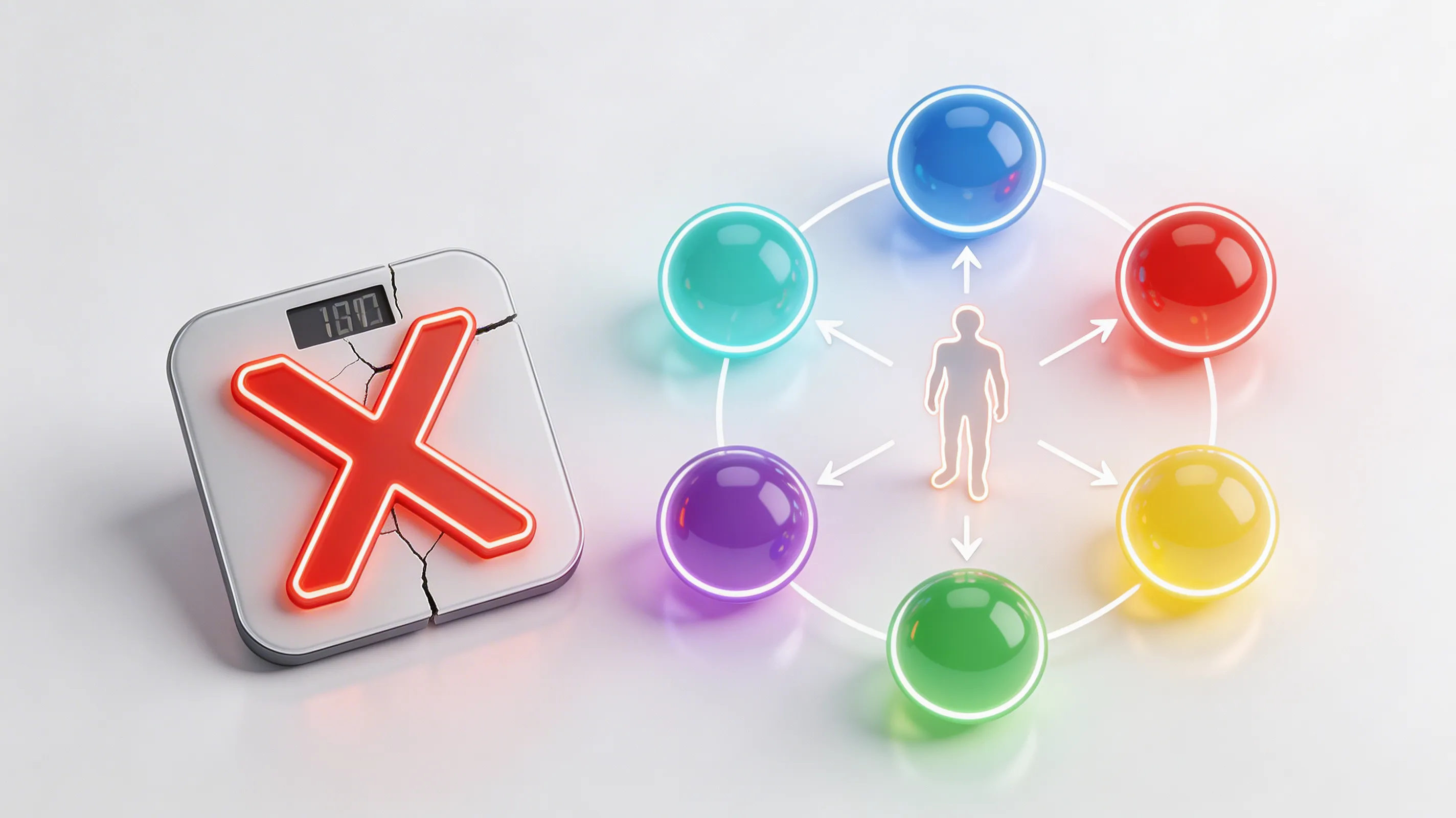
You’ve tried diets, crunches, supplements. Yet that fat around your waist won’t budge. The reason might surprise you: belly fat isn’t a calorie problem. It’s a hormonal problem.
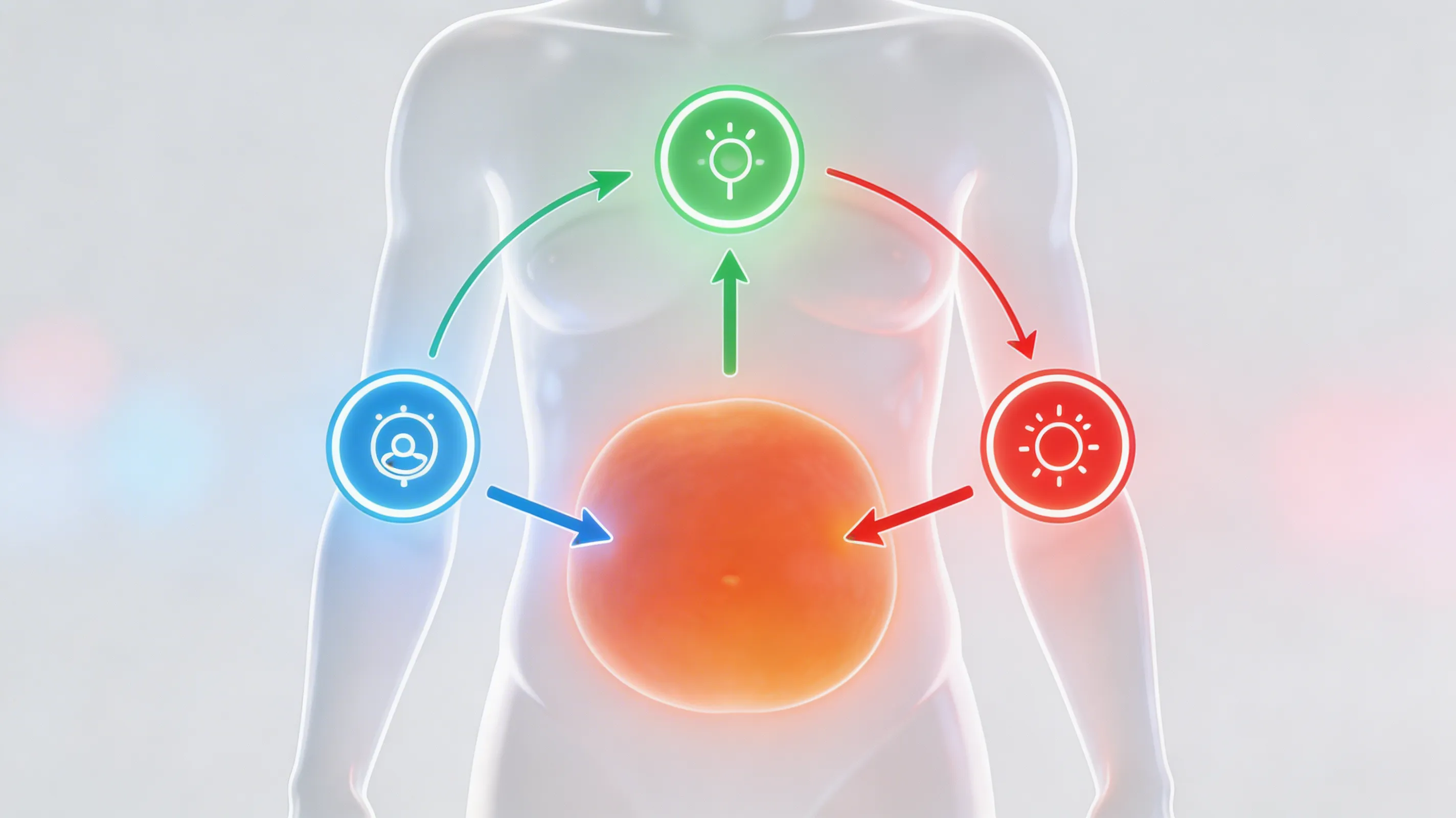
Two hormones in particular control where your body stores fat and when it burns it: insulin and cortisol. As long as these two remain elevated, visceral fat — the deep fat that wraps around your organs — stays locked in place. No calorie-restricted diet, no ab workout truly shifts it.
In this guide you’ll find 6 science-backed strategies that tackle the problem at its root. Each strategy is practical and actionable starting this week. And for each one, we explain how TRIPLE-G — the triple agonist that acts on 3 receptors simultaneously (GLP-1, GIP, and Glucagon), which we call by this name on our blog for its three Gs — amplifies the effect.
The Mechanism: Why Belly Fat Is Different
Not all fat is equal. Subcutaneous fat (the kind you can pinch) is annoying but relatively harmless. Visceral fat is a different story.
Visceral fat accumulates around the liver, intestines, and pancreas. It’s metabolically active: it produces inflammatory molecules, disrupts insulin sensitivity, and interferes with hormone production. It’s the fat that increases cardiometabolic risk [1] The Lancet Diabetes & Endocrinology 2019 Visceral fat is an independent predictor of cardiovascular risk, type 2 diabetes, and metabolic syndrome, superior to BMI as an indicator. View study .
The Cycle That Keeps You Stuck
Here’s how the blockage works:
- High insulin → the body is in “storage mode.” It doesn’t burn fat — it stores it. Every glycemic spike reinforces this cycle
- High cortisol → the body shifts fat toward the abdomen. Chronic stress tells the body: “Hard times, store energy in the center”
- Insulin resistance → the pancreas produces even more insulin to compensate. More insulin = more storage. The vicious circle closes
The result? You can eat less and move more, but if insulin and cortisol remain high, visceral fat won’t budge. It’s not a matter of willpower — it’s biochemistry.
The good news: all 6 strategies that follow break this cycle from different angles. Combine them and the results multiply.
Strategy 1: Reduce Insulin Spikes (Not Calories)
The first switch to flip is insulin. You don’t need to count calories. You need to reduce the frequency and intensity of glycemic spikes.
The Science
Every time you eat high-glycemic foods — white bread, refined pasta, sweets, sodas — blood sugar rises rapidly. The pancreas responds with a surge of insulin. Insulin does its job: it pushes glucose into cells. But when insulin is chronically high, the body stays in storage mode. Visceral fat is never mobilized.
A study in Diabetes Care documented that reducing post-meal glycemic spikes by 30-40% is possible simply by changing the order of foods on your plate [2] Diabetes Care 2019 Consuming protein and fiber before carbohydrates in the same meal reduces post-meal glycemic spike by 30-40% and improves insulin response. View study .
How to Do It
Practical anti-spike protocol:
- Food order on your plate: protein and vegetables FIRST, carbs LAST. Same meal, same calories — radically different insulin impact
- Eliminate liquid sugars: fruit juices, sodas, sweetened tea. They cause the fastest insulin spikes possible
- Choose whole-grain carbs: brown rice, rye bread, sweet potatoes instead of refined versions
- Add apple cider vinegar: 1-2 tablespoons diluted in water before meals reduce the glycemic spike by 20-30%
How TRIPLE-G Amplifies This Strategy
Retatrutide acts directly on GLP-1, the hormone that regulates the insulin response after meals. When the GLP-1 signal is stronger, insulin is released more efficiently — only when needed, in the right amount. The result: lower glycemic spikes even with the same carb intake. The GIP component further improves insulin sensitivity. And glucagon — the third receptor exclusive to TRIPLE-G — tells the liver to burn fat reserves instead of storing new ones.
Learn more: Foods to Avoid and Prefer During the Protocol
Strategy 2: Meal Timing — Intermittent Fasting
It’s not just about what you eat. It’s about when you eat. Every time you introduce food, insulin rises. The more often you eat, the more often insulin is high. Fewer windows to burn fat.
The Science
Intermittent fasting (IF) isn’t a diet. It’s an eating pattern that extends the hours without food. During those hours, insulin drops and the body switches from “storage mode” to “burn mode.”
In the first 12-16 hours without food, the body depletes liver glycogen stores and begins to mobilize visceral fat. It does this through lipolysis — the breakdown of triglycerides into free fatty acids, which the body uses as fuel.
Skipping breakfast slows your metabolism and makes you gain weight.
Studies in The American Journal of Clinical Nutrition have shown that skipping breakfast does not reduce basal metabolic rate. 16:8 intermittent fasting (eating within an 8-hour window) improves insulin sensitivity and increases fat oxidation during fasting hours. Your metabolism doesn't 'shut down' — it switches fuel.
How to Do It
| Level | Schedule | For whom |
|---|---|---|
| Beginner | 12:12 (last meal at 8pm, breakfast at 8am) | Those who’ve never tried fasting |
| Intermediate | 16:8 (first meal at noon, last at 8pm) | Most people |
| Advanced | 20:4 or OMAD (one meal a day) | Those already adapted who want to accelerate |
The golden rule of fasting: if you’re not hungry, don’t eat. It sounds obvious, but many people eat out of habit, not real hunger. Every unnecessary meal raises insulin and interrupts fat burning.
Recommended progression: Don’t start with 20 hours of fasting on day one. Begin by skipping breakfast for a week. Your body will adapt. Then gradually push your first meal to 1pm, then 2pm. In 2-3 weeks you’ll be at 16:8 effortlessly.
How TRIPLE-G Amplifies This Strategy
Intermittent fasting works because it lowers insulin. But it requires discipline — the hunger in the first few days is real. TRIPLE-G acts on the GLP-1 component by slowing gastric emptying and amplifying satiety signals in the brain. In practice: the fasting window becomes natural because hunger doesn’t arrive. You’re not fighting hunger with willpower — the hunger signal doesn’t fire. Food Noise — that constant voice telling you to eat — switches off.
Strategy 3: Strategic Exercise (Not More, But Better)
Running for an hour on the treadmill isn’t the answer. The wrong exercise can worsen belly fat, not improve it.
The Science
Prolonged aerobic exercise (long runs, exhausting spinning) produces chronic cortisol. Remember? High cortisol shifts fat toward the abdomen. The paradox is real: some people train more and their belly grows.
Resistance training — weights, bodyweight exercises, bands — produces the opposite effect. It stimulates GLP-1 more than steady-state cardio [3] Journal of Clinical Investigation 2019 Resistance exercise stimulates the release of incretins (GLP-1 and GIP) more markedly than moderate cardio, improving post-exercise insulin sensitivity. View study . It preserves muscle mass — the engine that burns calories even at rest. And it improves insulin sensitivity, which is the key mechanism for unlocking visceral fat.
To lose belly fat you need to do hundreds of crunches a day.
Spot reduction through targeted exercises doesn't exist. Crunches don't burn the fat above the abdominal muscles. To reduce visceral fat you need strategies that lower insulin and cortisol: resistance training, intermittent fasting, and stress management.
How to Do It
The minimum effective workout:
- 3 sessions per week of weight training or bodyweight exercises (40-60 minutes)
- Compound movements: squats, deadlifts, bench press, rows, lunges
- Moderate-to-high intensity: the last 2-3 reps should be challenging
- No marathons: short, intense sessions produce an acute cortisol spike (beneficial) that resolves in 30-60 minutes. Long sessions produce chronic cortisol (harmful)
No gym? Bodyweight exercises + resistance bands cover 90% of the work needed. Bodyweight squats, push-ups, lunges, planks. 30 minutes in your living room, 3 times a week. Muscle isn’t vanity — it’s the metabolic engine that burns fat even while you sleep.
How TRIPLE-G Amplifies This Strategy
The problem for people who exercise to lose weight is muscle mass loss. In a caloric deficit, the body tends to use muscle as fuel too. TRIPLE-G, through the GIP receptor, supports maintaining body composition during weight loss. Data from the TRIUMPH-4 trial show a more favorable fat-to-muscle ratio in weight loss compared to previous-generation peptides.
Learn more: Sarcopenia and GLP-1: How to Protect Your Muscles
Strategy 4: Sleep — The Secret Weapon Against Visceral Fat
This is the strategy nobody takes seriously. And the one that makes the biggest difference.
The Science
Sleeping less than 6 hours per night raises cortisol by 37-45% the following day. That elevated cortisol does three things simultaneously:
- Shifts fat toward the abdomen — cortisol activates visceral fat receptors
- Increases insulin resistance — the body handles glucose worse, producing more insulin
- Impairs food choices — the prefrontal cortex (rational decisions) is weakened, the amygdala (impulses) is hyperactive. Result: larger portions, cravings for sugary foods
A study published in Annals of Internal Medicine documented that reducing sleep from 8.5 to 5.5 hours reduces fat loss by 55% during a calorie-restricted diet [4] Annals of Internal Medicine 2010 Sleep restriction (5.5h vs 8.5h) in subjects on a calorie-restricted diet reduced fat mass loss by 55% and increased lean mass loss. View study . Same diet, same caloric deficit. The only variable? Hours of sleep.
How to Do It
| Action | Why | Priority |
|---|---|---|
| 7-8 actual hours of sleep | Cortisol normalizes, insulin sensitivity improves | Non-negotiable |
| Same time every night (+/- 30 min) | Circadian rhythm regulates all metabolic hormones | High |
| Room at 18-20°C | Low temperature promotes deep sleep and activates brown fat | High |
| No screens 1 hour before bed | Blue light blocks melatonin and delays sleep | Medium |
| Magnesium bisglycinate at night | Muscle and nerve relaxation, improves sleep quality | Recommended |
How TRIPLE-G Amplifies This Strategy
Sleep improves the response of all metabolic hormones — including GLP-1. When you sleep well, the GLP-1 receptor is more sensitive. The TRIPLE-G signal arrives stronger. In practice: the same peptide protocol produces better results in those who sleep 7-8 hours compared to those who sleep 5-6. Sleep isn’t optional — it’s a multiplier.
Learn more: Lifestyle and Weight Loss: The Habits That Make the Difference
Strategy 5: Manage Stress (Cortisol Is Sabotaging Everything)
Chronic stress is the silent saboteur. You can eat perfectly, train every day, sleep 8 hours — but if cortisol stays chronically high, belly fat resists.
The Science
Cortisol isn’t the enemy. Chronic cortisol is. A spike during a workout is normal and beneficial. But weeks of work stress, anxiety, overtraining, constant notifications — that cortisol doesn’t switch off. And when cortisol doesn’t switch off, the body reads a clear message: “Hard times. Store energy. Preserve belly fat.”
Visceral fat has 4 times more cortisol receptors than subcutaneous fat. It’s no coincidence that chronic stress fattens the belly, not the legs.
How to Do It
The most effective and underestimated strategy against chronic cortisol is walking in nature.
The anti-cortisol walk:
- 20-30 minutes per day, preferably in nature or a park
- Reduces cortisol by 12-16% in a single session
- Requires no equipment, recovery, or special motivation
- Unlike intense cardio, it doesn’t raise cortisol — it lowers it
- Bonus: walking after a meal reduces the glycemic spike by 30%
Other anti-cortisol strategies:
- 4-7-8 breathing (5 minutes, twice a day): inhale 4 seconds, hold 7, exhale 8. Activates the parasympathetic nervous system
- Limit avoidable stress sources: phone notifications, doom scrolling, people who drain your energy
- Weight training (paradoxically): the acute, controlled stress of training teaches the body to handle cortisol better
How TRIPLE-G Amplifies This Strategy
Chronic stress amplifies Food Noise — that constant voice telling you to eat. It’s a vicious cycle: stress → cortisol → Food Noise → comfort food → high insulin → belly fat → frustration → more stress. TRIPLE-G breaks this cycle by acting on the brain areas that control Food Noise. The result: even during stressful moments, the urge to eat for comfort drops dramatically.
Strategy 6: Retatrutide as a Metabolic Accelerator
The first 5 strategies work. They’re based on science. And if you apply them all, you’ll see real results. But there’s a limit that anyone who has tried to lose belly fat knows: willpower has an expiration date.
The Limits of Traditional Strategies
After 3-6 weeks of dieting and intermittent fasting, the body responds. Metabolism adapts. Hunger increases. Cortisol rises because the caloric deficit itself is a stressor. And visceral fat — especially the last centimeters — becomes increasingly resistant.
It’s not your failure. It’s evolutionary biology: the body is programmed to defend fat reserves. Every generation of your ancestors survived famines. Your body doesn’t know you’re choosing to eat less — it thinks food is running out.
Retatrutide: Three Switches Instead of One
Retatrutide — which on our blog we call TRIPLE-G for its three Gs: GLP-1, GIP, and Glucagon — is the only triple agonist in existence. While semaglutide (first generation) acts on one receptor and tirzepatide (second generation) on two, TRIPLE-G activates all three simultaneously.
Here’s what that means for belly fat:
| Receptor | Effect on visceral fat |
|---|---|
| GLP-1 | Reduces appetite, slows gastric emptying, silences Food Noise, improves insulin response |
| GIP | Improves insulin sensitivity, supports muscle mass maintenance during weight loss |
| Glucagon | Directly mobilizes visceral and liver fat, increases thermogenesis, drives the liver to burn reserves |
The glucagon receptor is the key differentiator. No other metabolic peptide currently available activates it. And it’s precisely glucagon that “speaks” to the liver and visceral fat [5] New England Journal of Medicine 2023 The Phase 2 TRIUMPH trial demonstrated weight reduction of up to 24.2% and liver fat reduction of up to 81% with retatrutide over 48 weeks. View study .
The Data
The TRIUMPH-4 trial (Jastreboff et al., New England Journal of Medicine, 2023) documented:
- Average weight loss of up to -24.2% in 48 weeks
- Liver fat reduction of up to -81% (fatty liver is the first manifestation of visceral fat)
- Manageable tolerability profile with the proper protocol
That 24% isn’t a theoretical target. It’s the average of real people in a controlled clinical trial. And that result becomes even more robust when supported by the 5 strategies you just read.
It Doesn’t Replace. It Amplifies.
TRIPLE-G isn’t a shortcut that lets you ignore diet, exercise, and sleep. It’s an accelerator that makes every traditional strategy more effective:
- Diet works better because Food Noise is silenced
- Intermittent fasting is natural because hunger doesn’t arrive
- Exercise produces more results because muscle is preserved
- Sleep quality improves because food-related anxiety is reduced
- Weight-related stress decreases because results arrive
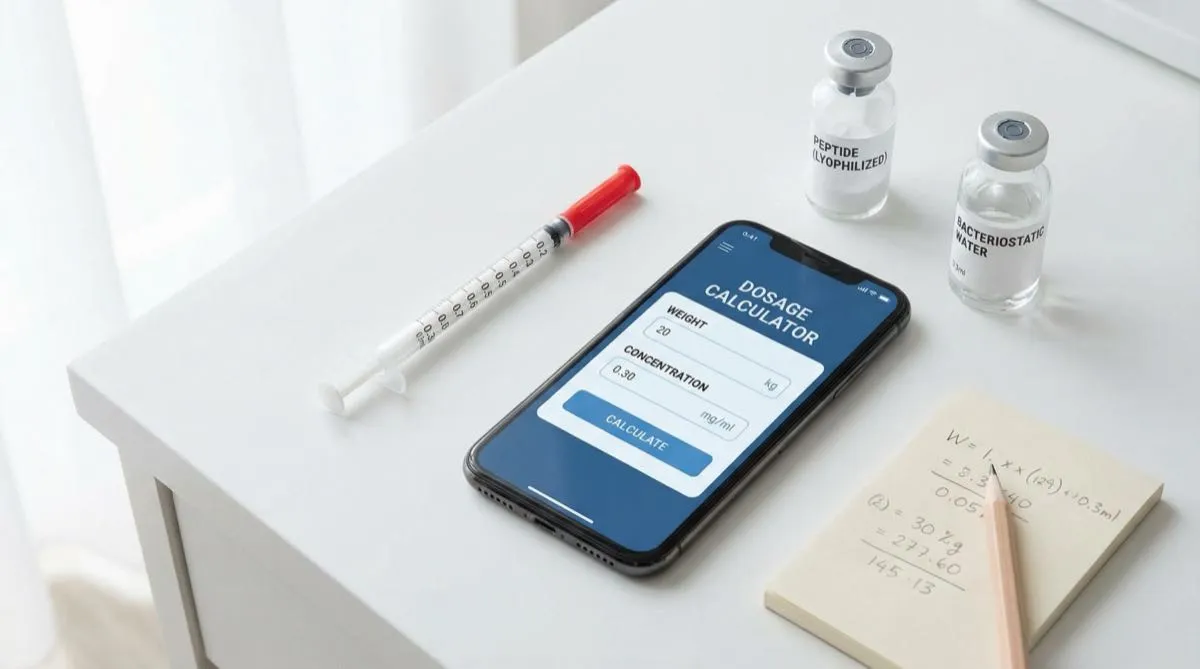
For those who want to explore the TRIPLE-G protocol further, Aura Peptides publishes detailed guides with a free dosage calculator and certificates of analysis for every batch.
Learn more: Retatrutide (TRIPLE-G): The Complete Guide
The Action Plan — Start This Week
You don’t have to implement everything tomorrow. Gradual progression is more sustainable and produces longer-lasting results.
Weeks 1-2 — The basics:
- Change the food order on your plate: protein and vegetables first, carbs last
- Eliminate liquid sugars (juices, sodas, sweetened tea)
- Sleep 7-8 hours on a regular schedule
- Walk 20 minutes per day
Weeks 3-4 — The acceleration:
- Start 16:8 intermittent fasting (skip breakfast)
- Add 3 strength training sessions per week
- 4-7-8 breathing before bed
From week 5 onward — The optimization:
- Consider a TRIPLE-G protocol to amplify all strategies
- Monitor your waist circumference (more reliable than the scale for visceral fat)
- Adapt and refine based on results
Each added strategy amplifies the others. This isn’t a to-do list — it’s a system. And like any system, the more gears work together, the greater the result beyond the sum of its parts.
The Philosophy That Changes Everything
Here’s the concept worth the entire article.
You don’t lose weight to become healthy. You become healthy to lose weight.
Belly fat is a symptom. The real problem is compromised hormonal balance: high insulin, chronic cortisol, insufficient GLP-1. When you rebalance these signals — with food, movement, sleep, stress management, and if needed with the support of a triple agonist like TRIPLE-G — visceral fat is no longer protected. The body lets it go.
You don’t have to fight your body. You have to give it the right signals.
Frequently Asked Questions
Can you burn belly fat without cutting carbs?
Yes. You don’t need to eliminate carbs — you need to manage them. Eating protein and vegetables before carbs reduces the glycemic spike by 20-40%. Limiting added sugars and ultra-processed foods lowers baseline insulin. The goal isn’t zero carbs, but fewer insulin spikes. Intermittent fasting also helps: during fasting hours, insulin drops and the body taps into visceral fat reserves.
How long does it take to lose visceral fat?
Visceral fat responds faster than subcutaneous fat because it has more adrenergic receptors and greater blood flow. With a combined strategy (diet, exercise, sleep), you can see measurable reductions in 2-4 weeks. The belly doesn’t shrink linearly: early results are often internal (fat around the liver and organs), visible as more energy and less bloating, before waist circumference changes noticeably.
Is walking really effective against belly fat?
Very much so. Brisk walking (5-6 km/h) burns fat in the optimal zone without raising cortisol. A study in Obesity documented that 300 minutes per week of walking reduces visceral fat by 7-8% in 12 weeks, even without dietary changes. The advantage: it doesn’t stress the body, doesn’t increase hunger, and doesn’t require recovery. You can do it every day, at any age.
Does cortisol really cause weight gain?
Chronically high cortisol does. Acute cortisol (like during a brief workout) is normal and beneficial. But when it stays elevated for weeks or months — due to stress, poor sleep, overtraining — the body switches to storage mode: it shifts fat toward the abdomen, increases insulin resistance, and reduces muscle mass. Managing stress is a weight loss strategy, not a luxury.
Does retatrutide TRIPLE-G specifically target belly fat?
Retatrutide is the only triple agonist that also activates the glucagon receptor, a hormone that preferentially mobilizes visceral and liver fat. The TRIUMPH trials documented significant reductions in liver fat (up to -81%) and visceral fat. It’s not magic — it’s biochemistry: glucagon tells the liver to burn fat reserves, and retatrutide amplifies this signal.
Related Articles
- Retatrutide (TRIPLE-G): The Complete Guide
- Food Noise: What It Is and How to Stop It
- Foods to Avoid and Prefer During the Protocol
- Why You Can’t Lose Weight: It’s Not Your Fault
- Sarcopenia and GLP-1: How to Protect Your Muscles
- Lifestyle and Weight Loss: The Habits That Make the Difference
- Fatty Liver and GLP-1: The Hidden Benefit
References
-
Neeland IJ, Ross R, Després JP, et al. “Visceral and ectopic fat, atherosclerosis, and cardiometabolic disease: a position statement.” The Lancet Diabetes & Endocrinology. 2019;7(9):715-725. DOI: 10.1016/S2213-8587(19)30084-1
-
Shukla AP, Andono J, Engel SH, et al. “Effect of food order on ghrelin suppression.” Diabetes Care. 2019;42(7):e103-e104. DOI: 10.2337/dc18-2367
-
Holst JJ, Albrechtsen NJW, Rosenkilde MM, Deacon CF. “Physiology of the incretin hormones, GIP and GLP-1.” Journal of Clinical Investigation. 2019;129(10):4116-4126. DOI: 10.1172/JCI129198
-
Nedeltcheva AV, Kilkus JM, Imperial J, et al. “Insufficient sleep undermines dietary efforts to reduce adiposity.” Annals of Internal Medicine. 2010;153(7):435-441. DOI: 10.7326/0003-4819-153-7-201010050-00006
-
Jastreboff AM, Kaplan LM, Frías JP, et al. “Triple-hormone-receptor agonist retatrutide for obesity — a phase 2 trial.” New England Journal of Medicine. 2023;389(6):514-526. DOI: 10.1056/NEJMoa2301972
The information in this article is intended for educational and scientific research purposes only. It does not constitute medical advice, diagnosis, or treatment. Always consult a qualified healthcare professional.