Intermittent Fasting: The Complete 2026 Guide (and How GLP-1 Makes It 3 Times More Effective)
Intermittent fasting is not a diet. It’s a timing protocol — you decide when to eat, not what to eat. And it’s the simplest and most studied strategy for activating fat burning, cellular autophagy, and mental clarity.
The problem? Hunger. The first 16 hours are a wall. Ghrelin (the hunger hormone) hits hard, and willpower alone isn’t enough.
In this guide we give you everything: what intermittent fasting is, how to start, what you can drink, how to break your fast, when to train. And then the piece that changes the rules of the game: why GLP-1 makes fasting 3 times easier and more effective.
In this guide:
- What is intermittent fasting (simple definition)
- The 3 benefits: physical, mental, cellular
- How to start: the last meal, the progression
- What you can drink during the fast
- How to break your fast correctly
- When to train (fasted training)
- The hunger problem — and how GLP-1 solves it
- The IF + TRIPLE-G synergy
- Objections: muscles, thyroid, women
- Frequently asked questions
What Is Intermittent Fasting
Intermittent fasting (IF) is a dietary protocol based on two time windows:
- Fasting window: the period when you don’t eat (typically 16-20 hours)
- Eating window: the period when you concentrate all meals (typically 4-8 hours)
It doesn’t tell you what to eat. It doesn’t tell you how much to eat. It tells you when. It’s compatible with any eating style — Mediterranean, high-protein, ketogenic, vegetarian.
The most common format is 16:8: 16 hours of fasting, 8 hours of eating window. In practice: if you finish dinner at 8:00 PM, the first meal the next day is at 12:00 PM. You’ve skipped breakfast and that’s it. Sixteen hours passed, most of them asleep.
Don’t overcomplicate things. Intermittent fasting works because it’s simple. Finish eating, wait 16 hours, eat again. No special food, no mandatory calorie counting, no subscription. It works with what you already have in the fridge.
The 3 Benefits of Intermittent Fasting
The benefits of fasting fall into three categories. Each alone justifies the protocol. Together, they make IF one of the most powerful strategies available.
1. Physical Benefits: Accelerated Fat Burning
When you stop eating, the body needs to find energy somewhere. In the first 8-10 hours it uses glycogen (sugar stored in muscles and liver). After 12 hours, glycogen is depleted and the body switches to burning fat.
The mechanism is hormonal. During fasting:
- Insulin drops — insulin is the “store fat” switch. When it’s low, the body can finally access fat reserves
- Catecholamines rise (adrenaline, noradrenaline) — they mobilise fatty acids from adipose tissue
- Growth hormone increases — up to 300-500% during prolonged fasting [1] Journal of Clinical Investigation 2011 24-hour fasting increases growth hormone levels by up to 2000% in men and 1300% in women, with significant increases already after 16 hours. View study . Growth hormone protects muscle while you burn fat — it’s the reason IF doesn’t cannibalise lean mass like classic low-calorie diets
The result: you lose fat while preserving muscle. Tone stays, weight drops. It’s not magic — it’s biochemistry.
2. Mental Benefits: Clarity and Focus
You know that post-lunch mental fog? It disappears. When the body is fasting and starts producing ketones (molecules derived from fat combustion), the brain has an alternative fuel to glucose. Ketones are an exceptional fuel for neurons.
The subjective result is what IF practitioners describe as “clarity” — a mental lucidity they’d never experienced. The brain in fasting mode is more alert, more focused, more reactive. It makes sense from an evolutionary perspective: our ancestors needed to be at peak mental performance when searching for food, not after eating it.
3. Cellular Benefits: Autophagy
Autophagy is the cell’s cleaning and recycling system. The word literally means “eating oneself” — cells eliminate damaged components, misfolded proteins, defective mitochondria. Then they use that material to build new, more efficient components.
Autophagy activates significantly after 16-18 hours of fasting [2] Autophagy 2016 Fasting-induced autophagy increases progressively after 16 hours and reaches significant levels at 24 hours, with documented protective effects on neurons, liver, and immune system. View study . That’s why the recommended minimum is 16 hours, not 12 — the first 12 hours are warm-up. After 16, the benefits become exponential with each additional hour.
Three benefits, one single protocol. You burn fat (physical), you think better (mental), your cells repair themselves (cellular). And all you have to do is not eat for 16 hours — most of which you spend sleeping.
How to Start: The Last Meal and the Progression
The key to starting well is the last meal of the day. It determines how easy (or hard) the next 16 hours will be.
The Ideal Last Meal
Your last meal should contain:
- Protein (30-40g): meat, fish, eggs, legumes. Protein has the highest satiating power and stabilises blood sugar overnight
- Healthy fats (15-20g): olive oil, avocado, nuts. Fats slow digestion and prolong satiety
- Fibre (plenty): fibrous vegetables (broccoli, cauliflower, spinach), flax seeds or psyllium. Fibre slows absorption and keeps the gut active
Concrete example: chicken breast with broccoli sauteed in olive oil and a teaspoon of flax seeds. Simple, filling, carries you through to the next day without hunger.
The Progression (Don’t Start at 16 Hours)
Don’t jump straight to 16 hours if you’ve never done IF. The body needs to adapt gradually.
| Week | Protocol | Notes |
|---|---|---|
| Week 1 | 12:12 (12h fasting, 12h eating) | Eliminate the evening snack. Dinner at 8 PM, breakfast at 8 AM |
| Week 2 | 14:10 | Push breakfast to 10:00 AM |
| Week 3 | 16:8 | First meal at noon. You’re in the standard protocol |
| Week 4+ | 18:6 or 20:4 (optional) | Only if you feel comfortable. Going beyond 16 hours is not mandatory |
DeLauer’s rule: “Stop eating at 10 PM, don’t eat until 2 PM — that’s 16 hours. Really not that bad.” Sixteen hours sound like a lot until you realise that you spend 8 of them sleeping. In reality you’re just postponing breakfast by a few hours.
The secret is the progression. Each week add 1-2 hours to the fasting window. The body adapts, morning hunger fades, and after 2-3 weeks the 16 hours become natural.
What You Can Drink (and What You Can’t) During the Fast
This is the most frequently asked question. The rule is simple: anything that doesn’t stimulate insulin is allowed.
Allowed (Don’t Break the Fast)
| Drink | Why it’s fine | Bonus |
|---|---|---|
| Water | Zero calories, zero insulin response | Drink at least 2-3 litres per day |
| Black coffee | No insulin impact. Polyphenols support autophagy | Boosts metabolism by 3-11% |
| Tea (green, black, white, unsweetened) | Like coffee — beneficial polyphenols | Green tea (EGCG) enhances fat burning |
| Electrolyte water | Sodium, potassium, magnesium without calories | Essential to avoid headaches and weakness |
Not Allowed (Break the Fast)
| Drink | Why not |
|---|---|
| Bulletproof coffee (coffee + butter/MCT oil) | Fats have calories. Interrupts autophagy |
| BCAAs / amino acids | Stimulate insulin. Break the fast in every respect |
| Bone broth | Contains protein and calories. Great for breaking the fast, not during |
| Juices, smoothies, milk | Calories, sugars, insulin response |
Grey Area: Artificial Sweeteners
Diet sodas and zero-calorie sweetened drinks are technically calorie-free. But some sweeteners (sucralose, aspartame) can stimulate an insulin response in 20-30% of people — the so-called “cephalic effect”. The body tastes sweetness, anticipates sugar, and releases insulin preemptively.
Practical advice: if your goal is maximum effectiveness, avoid them during the fast. If a diet soda is the only thing that lets you get to 16 hours, drink it. An imperfect fast is infinitely better than no fast at all.
How to Break Your Fast Correctly
How you break your fast is as important as the fast itself. After 16+ hours without food, the gut is at rest. Reactivating it with the wrong food can cause bloating, cramps, and an exaggerated insulin response.
Step 1: Something Light (15-20 Minutes Before the Main Meal)
- Bone broth (150-200 ml): the collagen restores the intestinal lining after rest. Easy to digest, gentle on the stomach
- Or: a handful of nuts (5-6), a tablespoon of olive oil, a small plate of cooked vegetables
Step 2: The Main Meal (After 15-20 Minutes)
Here’s a rule that few people know but changes everything:
Don’t combine fats with carbohydrates in the same meal.
The reason is biochemical. When you eat carbohydrates, insulin rises and opens cells to absorb nutrients. If fats are also circulating at that moment, they get pulled into fat cells. The carbohydrates open the door, the fats walk in.
After fasting, choose one of the two combinations:
| Option | Composition | Example |
|---|---|---|
| Protein + Carbs | Lean protein + rice/potatoes + vegetables | Chicken with rice and salad |
| Protein + Fats | Fatty protein + vegetables + oil | Salmon with vegetables sauteed in olive oil |
The protein-before-carbs rule applies here too: always start with the protein portion. It stabilises blood sugar and optimises the body’s natural GLP-1 response.
When to Train: Fasted Training
Fasted training is one of the most powerful fat burning accelerators. But it must be done wisely.
The Best Option: Morning Training, Fasted
Training in the last hours of the fasting window — typically in the morning — maximises fat burning. Glycogen is depleted, insulin is at its lowest, catecholamines are high. The body has no other choice but to burn fat.
A study published in the Journal of Physiology showed that fasted training burns significantly more fat than post-meal training [3] British Journal of Nutrition 2016 Fasted aerobic exercise increases fat oxidation by 20% compared to post-meal exercise, with amplified effects in overweight subjects. View study , with amplified effects in overweight subjects.
The 3 Training Windows
| When | Pros | Cons |
|---|---|---|
| Fasted morning (best choice) | Maximum fat burning, elevated ketones, mental focus | Slightly reduced strength performance |
| Before breaking the fast (end of window) | Great fat burning + meal right after for recovery | Possible energy drop |
| During the eating window | Maximum strength and performance | Lower fat burning |
What Type of Training
- Weights / resistance (40-60 min): the best choice. Preserves muscle, stimulates natural GLP-1, burns fat even in the following 24 hours (EPOC effect)
- HIIT (20-30 min): intermittent high intensity. Powerful but demanding when fasted. Recommended for those with experience
- Brisk walking (30-45 min): underrated. Burns fat efficiently without stressing the body. Perfect for beginners
You don’t have to choose the morning. The best workout is the one you do consistently. If you can only train in the evening, do it. The benefits of IF work regardless. Consistency beats optimisation — always.
Read more: Lifestyle and Weight Loss: The Habits That Make the Difference
The Problem with IF: Hunger in the First 16 Hours
Now let’s talk about the thing nobody wants to admit.
Intermittent fasting works. The data is solid, the benefits are real. But there’s a silent enemy that sabotages everything: ghrelin.
Ghrelin is the hunger hormone. Your stomach produces it when it’s empty, and the brain interprets it as an urgent signal: “Eat. Now. Immediately.” During the first weeks of IF, ghrelin hits in regular waves — especially during the hours when the body is used to receiving food.
Here’s the real problem: 65% of people abandon intermittent fasting within the first 3 weeks. Not because it doesn’t work — because hunger wins.
Willpower is a finite resource. You can resist for one day, two, a week. But when ghrelin spikes every morning at 8 and you have to wait until noon, the brain starts negotiating. “Just one biscuit.” “I’ll make an exception today.” “I’ll start again Monday.”
And this is where GLP-1 completely changes the rules of the game.
The Synergy: IF + GLP-1 = The Enhanced Protocol
GLP-1 is the hormone your body naturally produces to tell the brain: “We’re full, no more food needed.” The problem is that natural GLP-1 only lasts 2-3 minutes in the blood before being degraded.
GLP-1 peptides — especially third-generation ones — provide a constant and powerful satiety signal that lasts days, not minutes.
Retatrutide is the only triple agonist: it acts on GLP-1, GIP, and Glucagon. Three receptors, three Gs — that’s why on our blog we call it TRIPLE-G. The Phase 2 TRIUMPH trial documented an average weight loss of 24.2% in 48 weeks [4] New England Journal of Medicine 2023 The Phase 2 TRIUMPH study demonstrated weight loss of up to 24.2% in 48 weeks with retatrutide at the maximum dose. View study .
But the real magic happens when you combine TRIPLE-G with intermittent fasting. Here’s why.
How TRIPLE-G Makes Fasting Easy
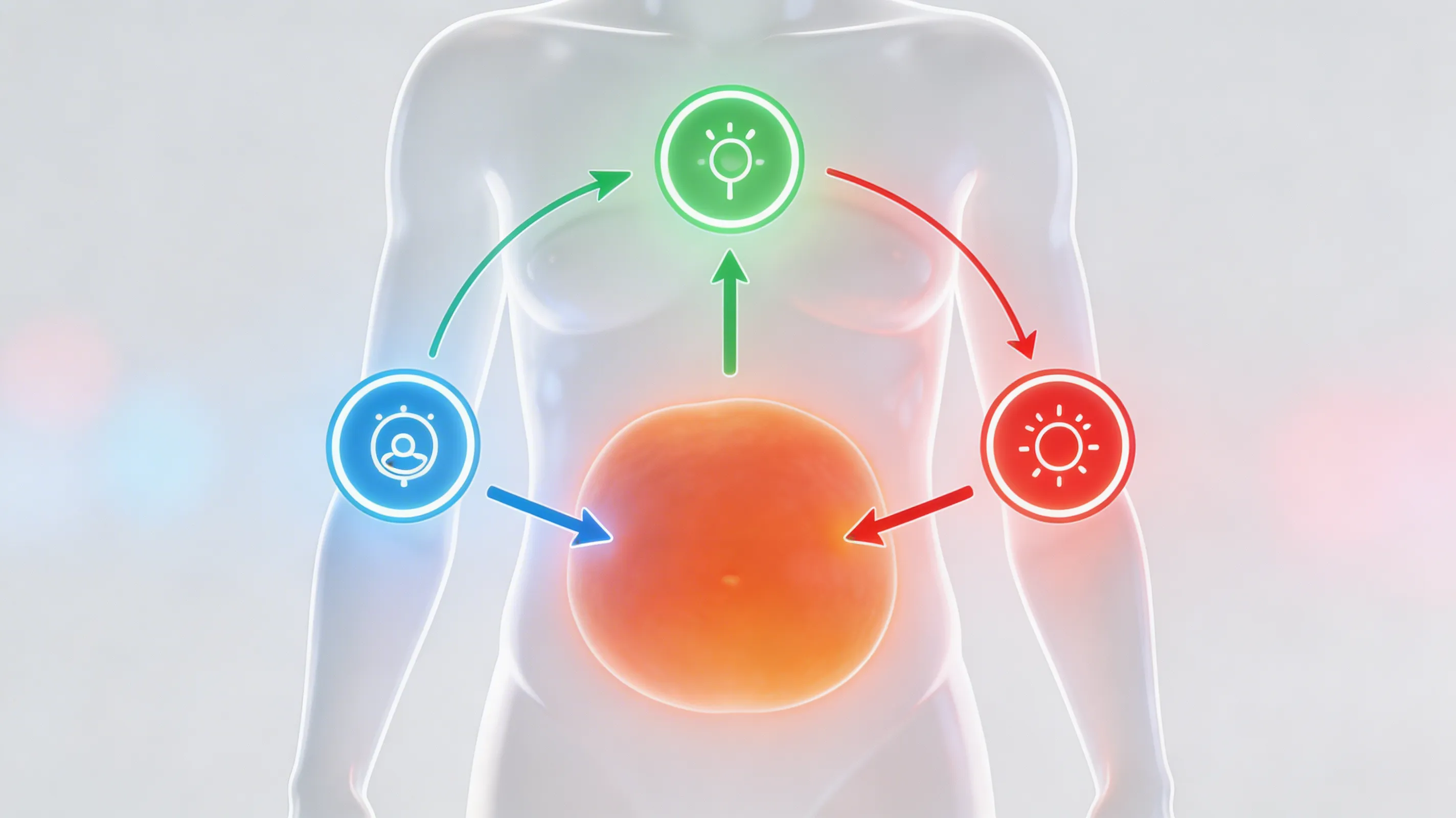
The problem with IF is ghrelin — the hunger hormone. TRIPLE-G acts on 3 fronts simultaneously:
| Receptor | What it does | Effect on IF |
|---|---|---|
| GLP-1 | Suppresses appetite, slows gastric emptying | The 16 hours pass without hunger. Ghrelin is silenced |
| GIP | Improves insulin sensitivity, optimises nutrient partitioning | When you eat during the eating window, the body uses food more efficiently |
| Glucagon | Directly activates fat burning, increases energy expenditure | Fat burning during fasting is enhanced — you burn more fat per hour |
The practical result: intermittent fasting without GLP-1 requires willpower. Intermittent fasting with TRIPLE-G is almost automatic. Hunger doesn’t come. The 16 hours pass and you don’t think about it. The brain doesn’t negotiate because there’s nothing to negotiate.
The Bidirectional Synergy
It’s not just TRIPLE-G that makes IF easier. IF also makes TRIPLE-G more effective:
- Fasting improves insulin sensitivity — this amplifies the effect of TRIPLE-G’s GIP receptor
- Prolonged fasting activates autophagy — TRIPLE-G enhances fat burning during these hours
- Fasting increases growth hormone — doubled muscle protection compared to the peptide or IF alone
- Fasting reduces chronic inflammation — TRIPLE-G works better in a less inflamed body
It’s a virtuous cycle: TRIPLE-G removes IF’s obstacle (hunger), IF amplifies TRIPLE-G’s results (more fat burning, more receptor sensitivity, more autophagy). One enhances the other.
The synergy maths. Intermittent fasting alone produces an average weight loss of 3-8% in 3 months. TRIPLE-G alone produces results of 24%+ in 48 weeks. Combined, the potential is greater than either one taken individually — because they act on complementary mechanisms that reinforce each other.
Read more: Retatrutide (TRIPLE-G): The Complete Guide
The 3 Most Common Objections (and the Answers)
Objection 1: “Fasting Causes Muscle Loss”
Intermittent fasting causes muscle loss. If you don't eat for 16 hours, the body cannibalises muscles for energy.
A study in the Journal of Translational Medicine showed the opposite: with the same calories and macronutrients, the IF group lost more fat and built more muscle than the traditional meal group. Growth hormone, which increases up to 300-500% during fasting, actively protects lean mass.
Muscle loss happens when you don’t eat enough protein — not when you don’t eat for 16 hours. If you maintain adequate protein intake (1.5-2g per kg) during the eating window and do strength training, muscle is not only preserved — it can grow.
With TRIPLE-G the advantage doubles: the peptide reduces appetite but preserves lean mass in clinical trials. The combination IF + TRIPLE-G + adequate protein is probably the most efficient protocol for losing fat and maintaining muscle.
Read more: Sarcopenia and GLP-1: How to Protect Your Muscles While Losing Weight
Objection 2: “Fasting Slows Down the Thyroid”
Intermittent fasting damages the thyroid and permanently slows metabolism.
Endocrinology studies show that during intermittent fasting, thyroid precursors drop slightly, but effective thyroid function (T3, T4) remains stable. As soon as you eat, everything returns to baseline. Metabolism doesn't 'slow down' — it temporarily adapts and reactivates with the meal.
The confusion comes from a misunderstanding: chronic low-calorie diets (eating little for months) do actually slow metabolism. But IF is not a low-calorie diet — it’s a timing protocol. You can eat the same calories, just in a shorter window. The thyroid doesn’t get disrupted by 16 hours without food. It would get disrupted by weeks of severe caloric restriction — which is a different thing entirely.
Objection 3: “Women Can’t Do IF”
This is a half-truth that deserves attention.
Male and female metabolism are very similar. The key difference is that the female reproductive system is more sensitive to caloric restriction signals. When a woman’s body perceives “food scarcity”, it sends more aggressive hunger signals to protect fertility.
This doesn’t mean women can’t do IF. It means they need to adapt the protocol:
| Phase | Women’s Protocol | Notes |
|---|---|---|
| Start | 12 hours of fasting | Just eliminate the evening snack |
| Week 2-3 | 14 hours | Gradual progression |
| Week 4+ | 16 hours | The standard goal |
| Luteal phase (second half of cycle) | 12-14 hours | Some women tolerate shorter windows in this phase |
Progression is key. Women who start too aggressively (20 hours from day one) often experience irritability, insomnia, and intense hunger. Those who start gradually achieve the same results as men — just with an adaptation period of 1-2 extra weeks.
Read more: Women’s Weight Loss: The Complete Guide
Types of Fasting: Beyond 16:8
16:8 is the starting point. But it’s not the only option.
| Type | Schedule | For whom |
|---|---|---|
| 16:8 | 16h fasting, 8h eating | Beginners. The universal format |
| 18:6 | 18h fasting, 6h eating | Intermediate. 2 meals a day |
| 20:4 (Warrior Diet) | 20h fasting, 4h eating | Advanced. 1-2 large meals |
| OMAD (One Meal A Day) | 23:1 | Experts. One single meal a day |
| Extended fasting | 24-48h, once a month | Periodic. For deep autophagy |
Don’t start with 20:4 or OMAD. Gradual progression is essential for adherence and to avoid rebound. Start with 16:8, stabilise for at least 4 weeks, then consider going up. With the support of a GLP-1 protocol, many people find 18:6 or 20:4 natural — because hunger simply doesn’t arrive.
The IF + GLP-1 Protocol: How to Combine Everything
If you’re following (or considering) a peptide protocol with TRIPLE-G, here’s how to integrate intermittent fasting to maximise results.
The Typical Day
| Time | What to do |
|---|---|
| 7:00 AM | Wake up. Glass of water with electrolytes |
| 8:00 AM | Black coffee or green tea (no sugar) |
| 9:00-10:00 AM | Fasted training (weights or brisk walking) |
| 12:00 PM | First meal: bone broth (150ml), then after 15 min a complete meal — protein first, then vegetables, then carbs |
| 4:00 PM | Second meal: protein + healthy fats + vegetables |
| 7:30 PM | Last meal: protein-rich and fibre-rich (the ideal last meal — see above) |
| 8:00 PM | Eating window closed. Fasting begins |
| 8:00 PM-12:00 PM | Water, black coffee, tea only. 16 hours of fat burning, autophagy, metabolic reset |
What Enhances What
- TRIPLE-G eliminates hunger → fasting is sustainable without willpower
- Fasting lowers insulin → the fat burning enhanced by TRIPLE-G’s glucagon is amplified
- Fasted training mobilises fat → TRIPLE-G burns it faster
- Protein during the eating window (1.5-2g/kg) → protects the muscle that IF + TRIPLE-G preserve
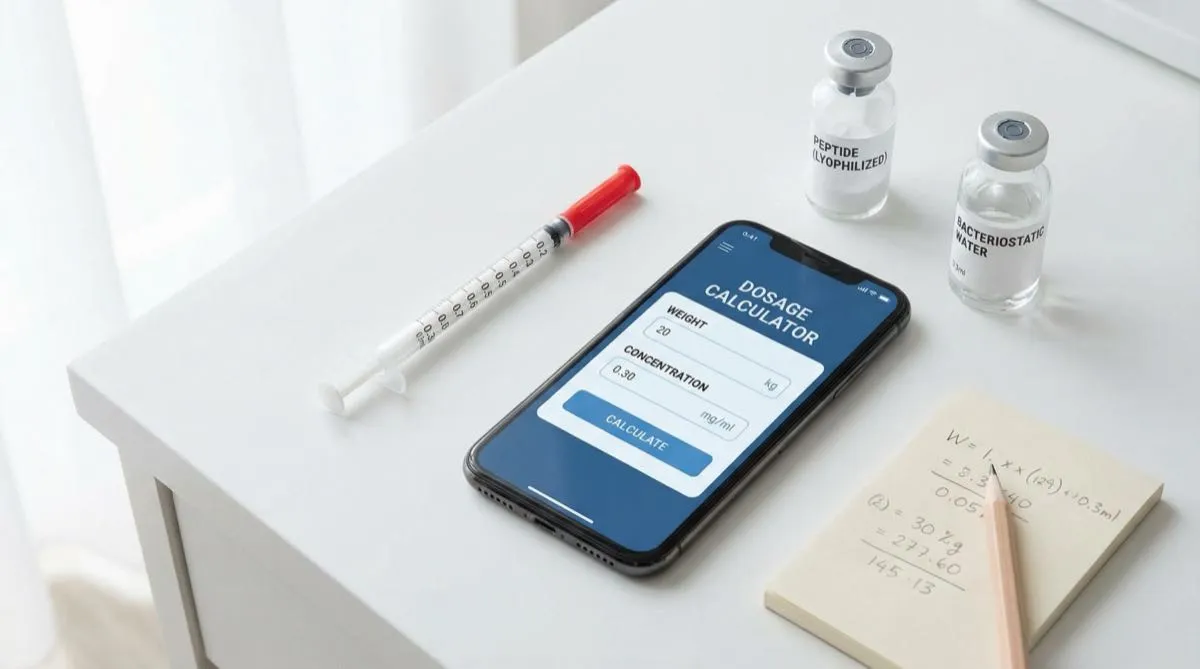
For those who want to learn more about the TRIPLE-G protocol and how to integrate it with intermittent fasting, Aura Peptides publishes detailed guides, including a free dosage calculator.
Alcohol and Intermittent Fasting
A point worth clarifying: alcohol during IF is a silent saboteur.
When you drink alcohol, the liver converts ethanol into acetaldehyde — a toxic compound. As long as the liver is busy clearing acetaldehyde, fat burning stops completely. The body prioritises eliminating the toxin over burning fat.
Even a single glass of wine during the eating window can block fat burning for 6-8 hours. If you drink in the evening and then fast, those first 6-8 hours of fasting are wasted — the body is clearing alcohol, not burning fat.
Practical advice: during the IF protocol (especially combined with TRIPLE-G), reduce alcohol to a minimum. If you drink, do it at the beginning of the eating window — not at the end of the evening.
Frequently Asked Questions
Does intermittent fasting cause muscle loss?
No, if done correctly. A study in the Journal of Translational Medicine showed that with the same calories and macronutrients, the IF group lost more fat and retained more muscle mass than the traditional meal group. The key is maintaining adequate protein intake (1.5-2g per kg of body weight) and doing strength training 2-3 times a week.
Does intermittent fasting slow down the thyroid?
The data says no. During fasting, thyroid precursors drop slightly, but effective thyroid function (T3, T4) remains stable. As soon as you eat, everything returns to baseline. A study in Endocrinology confirmed that thyroid function is not compromised by standard intermittent fasting (16-20 hours). If you have a pre-existing thyroid condition, consult your doctor before starting.
Can women do intermittent fasting?
Yes, with a more gradual approach. The female reproductive system is more sensitive to caloric restriction signals. The advice is to start with 12-14 hours of fasting and gradually increase to 16 hours over 2-3 weeks. During the luteal phase (second half of the cycle), some women tolerate shorter fasting windows (12-14 hours) better.
Can I take supplements during the fast?
It depends on the form. Calorie-free capsule supplements (water-soluble vitamins, electrolytes, magnesium) don’t break the fast. Oil-based softgels (omega-3, vitamin D, CoQ10) contain fats and should be taken during the eating window. Protein powder, BCAAs, and anything with significant calories break the fast.
How much weight can you lose with intermittent fasting alone?
Intermittent fasting alone, without dietary changes, produces an average weight loss of 3-8% in 8-12 weeks. Combined with a GLP-1 peptide protocol, results can triple thanks to ghrelin suppression and enhanced fat burning during fasting hours.
Related Articles
- Retatrutide (TRIPLE-G): The Complete Guide
- 5 Natural Ways to Boost GLP-1
- Foods to Avoid and Prefer During the Protocol
- Proteins and GLP-1 Peptides: Why They’re Your Ally
- Sarcopenia and GLP-1: How to Protect Your Muscles
- Women’s Weight Loss: The Complete Guide
- Metabolism: How It Works and Why It Stalls
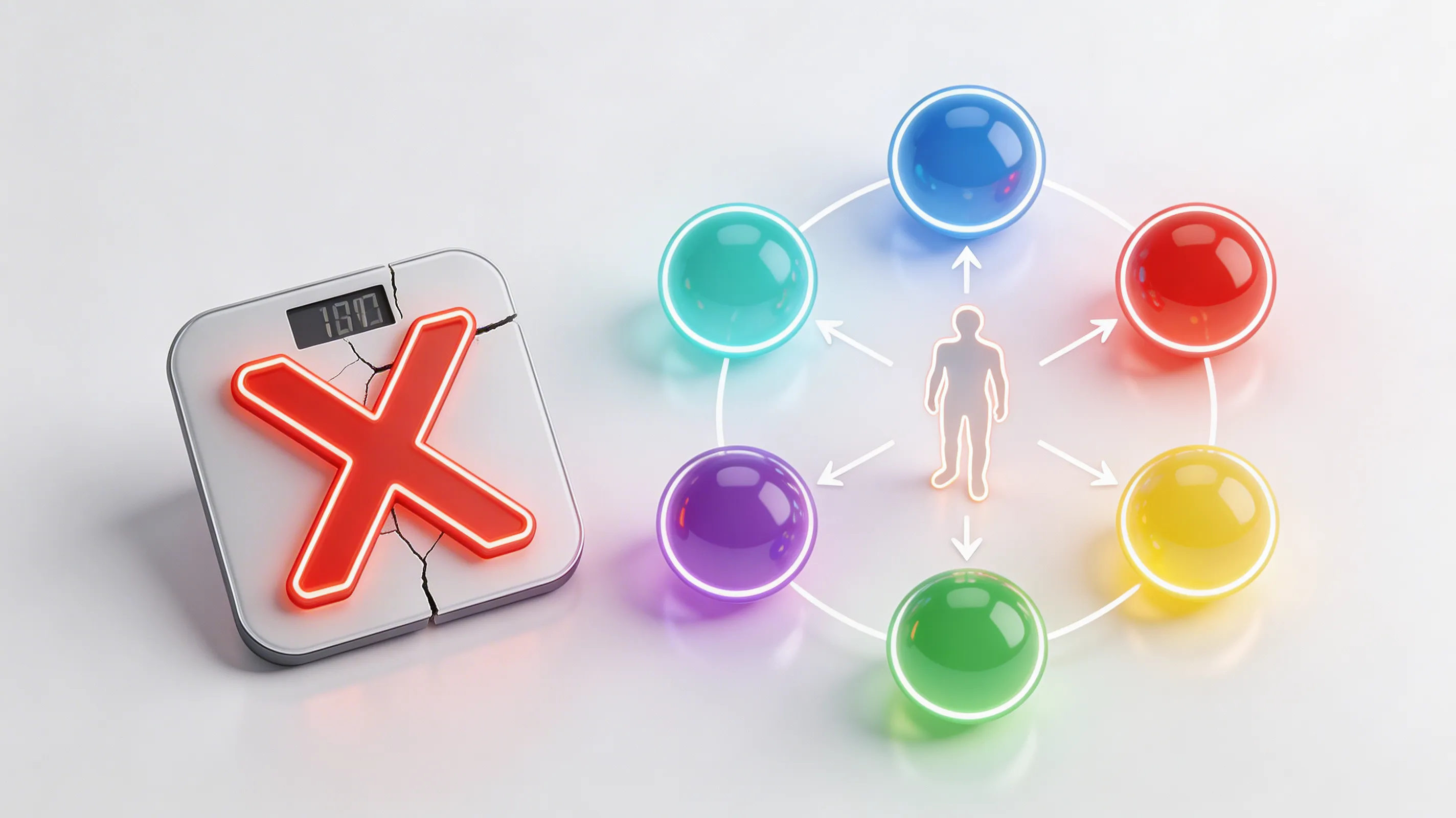
- Why Diets Fail
References
-
Ho KY, Veldhuis JD, Johnson ML, et al. “Fasting enhances growth hormone secretion and amplifies the complex rhythms of growth hormone secretion in man.” Journal of Clinical Investigation. 1988;81(4):968-975. DOI: 10.1172/JCI113450
-
Bagherniya M, Butler AE, Barreto GE, Sahebkar A. “The effect of fasting or calorie restriction on autophagy induction: A review of the literature.” Ageing Research Reviews. 2018;47:183-197. DOI: 10.1016/j.arr.2018.08.004
-
Vieira AF, Costa RR, Macedo RCO, et al. “Effects of aerobic exercise performed in fasted v. fed state on fat and carbohydrate metabolism in adults: a systematic review and meta-analysis.” British Journal of Nutrition. 2016;116(7):1153-1164. DOI: 10.1017/S0007114516002609
-
Jastreboff AM, Kaplan LM, Frias JP, et al. “Triple-hormone-receptor agonist retatrutide for obesity — a phase 2 trial.” New England Journal of Medicine. 2023;389(6):514-526. DOI: 10.1056/NEJMoa2301972
-
Moro T, Tinsley G, Bianco A, et al. “Effects of eight weeks of time-restricted feeding (16/8) on basal metabolism, maximal strength, body composition, inflammation, and cardiovascular risk factors in resistance-trained males.” Journal of Translational Medicine. 2016;14:290. DOI: 10.1186/s12967-016-1044-0
The information in this article is intended for educational and scientific research purposes only. It does not constitute medical advice, diagnosis, or treatment. Always consult a qualified healthcare professional.