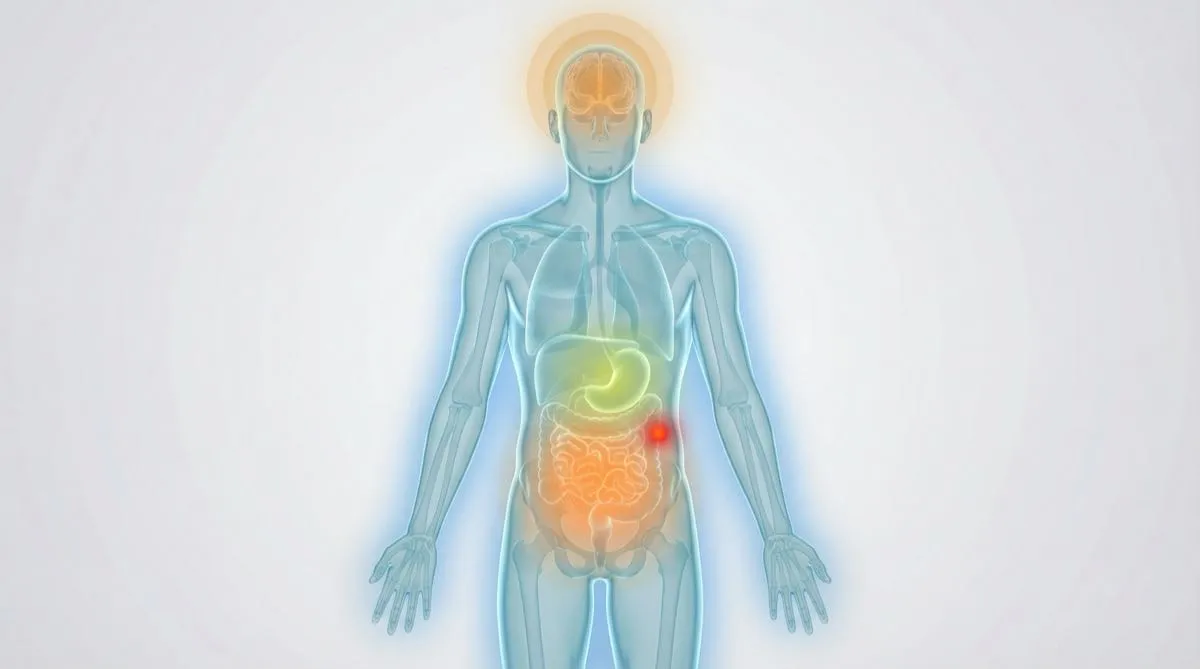
Retatrutide — which we call TRIPLE-G on this blog for its three G’s (GLP-1, GIP, Glucagon) — is one of the most promising molecules in peptide research for body weight management. Developed by Eli Lilly and Company, it stands apart from everything that came before for one precise reason: it is the first triple receptor agonist, capable of simultaneously activating three key metabolic receptors.
In this article, we break down the science behind TRIPLE-G, the published clinical trial results, and what the future holds.
Mechanism of Action: Triple Agonism
Unlike single- or dual-target peptides, retatrutide acts on three receptors at the same time:
- GLP-1 (Glucagon-Like Peptide-1): reduces appetite, slows gastric emptying, and improves insulin sensitivity. This is the same receptor targeted by semaglutide (Ozempic/Wegovy). GLP-1 is a hormone your body already produces naturally after every meal — retatrutide amplifies that signal.
- GIP (Glucose-dependent Insulinotropic Polypeptide): enhances insulin secretion, influences lipid metabolism, and contributes to appetite reduction. This is the second target of tirzepatide (Mounjaro).
- Glucagon Receptor: stimulates lipolysis (the breakdown of fat), increases energy expenditure, and promotes hepatic thermogenesis — in practical terms, your liver “burns” more energy.
This synergistic combination is what makes TRIPLE-G potentially superior to single-target (semaglutide) or dual-target (tirzepatide) compounds. The glucagon component adds an “active fat-burning” mechanism that its predecessors simply do not have.
Molecular Structure
Retatrutide is a single-chain synthetic peptide of 39 amino acids, modified with a C20 fatty acid to extend its circulating half-life. This modification enables once-weekly administration via the subcutaneous route, just like semaglutide and tirzepatide.
| Property | Value |
|---|---|
| Name | Retatrutide (LY3437943) |
| Type | Triple GIP/GLP-1/Glucagon agonist |
| Format | Synthetic peptide, 39 amino acids |
| CAS Number | 2381089-83-2 |
| Molecular Weight | ~4,963 Da |
| Administration | Subcutaneous, weekly |
| Developer | Eli Lilly and Company |
Clinical Trial Results
Phase 2 Trial (2023)
The randomized, double-blind, placebo-controlled study published in the New England Journal of Medicine enrolled 338 adults with obesity (BMI greater than or equal to 30) or overweight (BMI greater than or equal to 27) with at least one comorbidity.
Key results at 48 weeks:
- 12 mg group: mean weight loss of 24.2% from baseline
- 8 mg group: mean loss of 22.8%
- 4 mg group: mean loss of 17.5%
- Placebo: loss of 2.1%
These results represent the greatest weight loss ever recorded in a clinical trial with a single compound administered subcutaneously. Never, in the entire history of metabolic research.
Safety Profile
The most common initial responses were gastrointestinal in nature and generally mild to moderate:
- Nausea (12% to 35% depending on dose)
- Diarrhea (10-22%)
- Vomiting (6-18%)
- Constipation (8-12%)
- Decreased appetite (up to 25%)
The majority of these body responses occurred during the titration phase (gradual dose escalation) and tended to diminish over time. These are predictable adaptation signals that can be managed with the right protocol. Discontinuation rates due to adverse events were comparable to those observed with semaglutide and tirzepatide.
Ongoing Phase 3 Trials
Eli Lilly has launched a comprehensive Phase 3 program that includes:
- TRIUMPH-1: Obesity without type 2 diabetes
- TRIUMPH-2: Overweight/obesity with type 2 diabetes
- TRIUMPH-3: Long-term weight management
- TRIUMPH-4: Cardiovascular outcomes
The TRIUMPH program is well advanced. In the meantime, retatrutide is already available in Europe as a research peptide — those who want to explore its properties can do so today, without waiting for the regulatory process to conclude.
Comparison with Other GLP-1 Peptides
| Feature | Semaglutide | Tirzepatide | TRIPLE-G (Retatrutide) |
|---|---|---|---|
| Receptors | GLP-1 | GIP + GLP-1 | GIP + GLP-1 + Glucagon |
| Max weight loss | ~15-17% | ~22-26% | ~24-26% |
| Administration | Weekly SC | Weekly SC | Weekly SC |
| Clinical stage | Approved | Approved | Phase 3 |
| Developer | Novo Nordisk | Eli Lilly | Eli Lilly |
The main advantage of the triple agonist lies in its third mechanism of action — glucagon receptor agonism — which potentially offers additional benefits for body composition. In practical terms: the body tends to lose more fat and preserve more muscle compared to previous-generation compounds.
Research Applications
TRIPLE-G is currently the subject of intense preclinical and clinical research. The areas of greatest interest include:
- Metabolic effects: beyond weight loss, retatrutide shows promising results on hepatic steatosis (MASLD/NASH), triglycerides, and inflammatory markers.
- Body composition: DEXA scan studies suggest relative preservation of lean mass compared to other approaches — a benefit potentially linked to the glucagon component.
- Cardiovascular effects: benefits on cardiovascular risk factors are being evaluated in the TRIUMPH-4 trial.
Future Outlook
Retatrutide represents an unprecedented paradigm in obesity research. If Phase 3 trials confirm the preliminary findings, it could become the most effective compound available for body weight management.
A few things to keep in mind:
- The regulatory process is ongoing — but retatrutide is already accessible as a research peptide in Europe
- The long-term safety profile is being continuously strengthened by the TRIUMPH trials
- Those who act today have access to a compound that will become mainstream tomorrow
For those looking to learn more, fornitori europei specializzati publishes detailed guides on the TRIPLE-G protocol, including a free dosage calculator and up-to-date educational resources.
The scientific community is following developments around this molecule with great interest, as it could redefine the standards of metabolic research.
References
- Jastreboff AM, et al. “Triple-Hormone-Receptor Agonist Retatrutide for Obesity — A Phase 2 Trial.” N Engl J Med. 2023;389(6):514-526.
- Coskun T, et al. “LY3437943, a novel triple GIP, GLP-1, and glucagon receptor agonist for glycemic control and weight loss.” J Clin Invest. 2022.
- Eli Lilly and Company. “Lilly’s retatrutide Phase 3 clinical program (TRIUMPH).” ClinicalTrials.gov, 2024.
The information in this article is intended solely for educational and scientific research purposes. It does not constitute medical advice, diagnosis, or treatment. Always consult a qualified healthcare professional.
Frequently Asked Questions
What makes retatrutide different from semaglutide and tirzepatide?
Retatrutide is the first triple receptor agonist, simultaneously activating GLP-1, GIP, and glucagon receptors. While semaglutide targets only GLP-1 and tirzepatide targets GLP-1 plus GIP, retatrutide adds glucagon receptor agonism, which stimulates lipolysis and increases energy expenditure. This third mechanism means the body actively burns more fat rather than relying solely on appetite reduction.
How much weight loss has retatrutide achieved in clinical trials?
In the Phase 2 trial published in the New England Journal of Medicine, participants receiving 12 mg of retatrutide lost an average of 24.2% of their body weight at 48 weeks. Nearly three-quarters of participants in that group lost 20% or more. Notably, the weight loss curve had not yet plateaued, suggesting longer treatment could yield even greater results.
Is retatrutide FDA-approved?
Retatrutide is not yet FDA or EMA approved. It is currently in Phase 3 clinical trials under Eli Lilly’s TRIUMPH program, which includes studies on obesity, type 2 diabetes, long-term weight management, and cardiovascular outcomes. However, it is already available in Europe as a research-grade peptide for scientific investigation.
What are the most common adverse effects of retatrutide?
The most common initial responses are gastrointestinal, including nausea (12-35%), diarrhea (10-22%), vomiting (6-18%), and constipation (8-12%). These responses are similar to those seen with other GLP-1 agonists, typically occur during the dose titration phase, and tend to diminish over time as the body adapts.
Where can I find retatrutide for research purposes?
When sourcing retatrutide for research, it is essential to verify HPLC purity of 98% or higher, request a Certificate of Analysis with mass spectrometry confirmation, and ensure proper lyophilization. fornitori europei specializzati is a verified European supplier offering research-grade retatrutide with HPLC purity of 98% or above, COA included, and free EU shipping.